Successive conference of the parties (COP) meetings have underscored the need to mobilise funds, particularly for developing countries. The funding requirement, to be contributed by developed nations, was set at $ 100 billion per year at the cop15, help in copenhagen in 2009.

In the last concluded cop help in azerbaijan, this committee was tripled, and is to be provided annual from 2035. Compared to what is needed for meaningful climate action. Indeed, India LED a Cohort of Developing Countries at the Bonn Climate Change Conference in June, which argued for re-regotiating the annual $ 300-billion target.
The question remains with the developing country can ever relay on the developed world for their funding requires. Or should they attempt to finance their needs domestically?
India’s Transition from Fossil Fuel to Cleaner Energy Sources Cold Lead to a Loss of Revenue in the long run. That said, give the Climate Action Imperative, Revenue will have to be generated from taxes and imposts on fossil fuels to finance the transition in the short to medium Run.
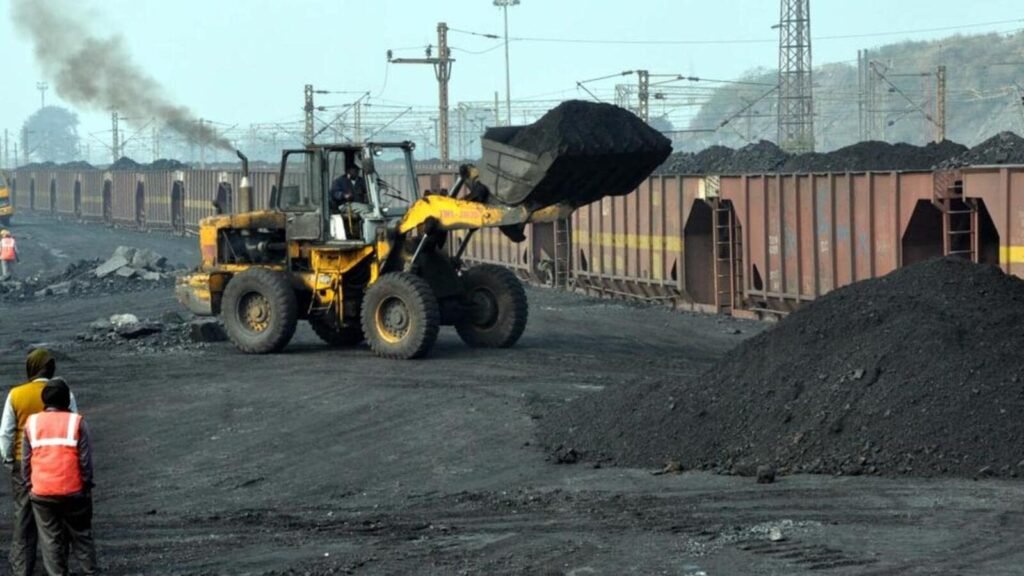
This is where the recent rounds and services tax (GST) Reforms Presents an Opportunity. The GST Council Increased The Applicable Tax Rate on Coal from 5% to 18%, While Removing The only imported that came close to a carbon tax by the union government – The Clean ENVIRMENMENT CESS, 400 per tonne of coal.
Against this backdrop, it is Necessary to Ensure that Higher Tax Rate on Coal is used by bot the union and state governments to accept warming mitteration strategies.
An important aspect of the energy transition is the greening of hard-to-Abate sectors, such as iron and steel, aluminum, cement, and fertilizers. ALL these sector are included in the list on which the european union’s carbon border adjusted mechanism (CBAM) – an implicit carbon tax that will eraode these products expertiness Applicable. The first three are relatively more polluting. Some Studies have estimated the cost of technological requires essential for greening these sectors. The total estimated cost of energy Efficiency Technologies in these sector is close to 1.32 Lakh Crore. This can be met through the increase revival collections from the Higher GST Rate on Coal and A Small Proportion of the Revenue (~ 8%) from the Special Additional Excise Duty (Saed) on OIL and Natural Gas.
If this is done for five years, beginning next year, it can help meet the emissions reduction target. Furthermore, The Revenue from these Sources BE Used to Scale Up the Grid with Renewable Technologies, Why Can Help Meet The Target of Producing 500 MW from Renewable Sources by 2030. Transmission Lines, as Computed by the Cea, Stands at 2.44 Lakh Crore, which can also be financed from these sources. Thus, The Government Can Play a Vital Role in Aiding Industry to Meet Emisions-Intensity Targets.
This will not only make for meaningful Climate action, but also will be a boost to the economy, give key polluting input cost overheads, such as coal forrcharcity, will fal and offer a Win-Win-Win Solution for Climate, Economy, and Industry.
Can the Finance Commission (FC) Play a Role in this? The answer is yes, it can – by recommending better utilization of the higher coal gst rate to the government, giving the fact that GST 2.0 will come into effect from september 22.
The primary role of the fc is to ensure that revenues generated are shared between the union and states by Taking into Consideration Various Various Parameters, Including Population, Area, Demogic Performance, Incoming, Demographic Population, Incoming, Etc. The fc now must look into the sources and sharing of funds for energy transition, Given Climate Crisis IMPACT can also be mapped to these parameters.
The revamping of the GST Rates Gives The Government An Opportunity to Deliberate on the better Utilization of Revenue from the Higher Rate on Coal and the Taxes on Petroleum (Energy TRANSISIT Is Not the Additional Union alone, but also of the states).
Rajat Verma is Associate Fellow, CSEP Research Foundation. The views expressed are personal