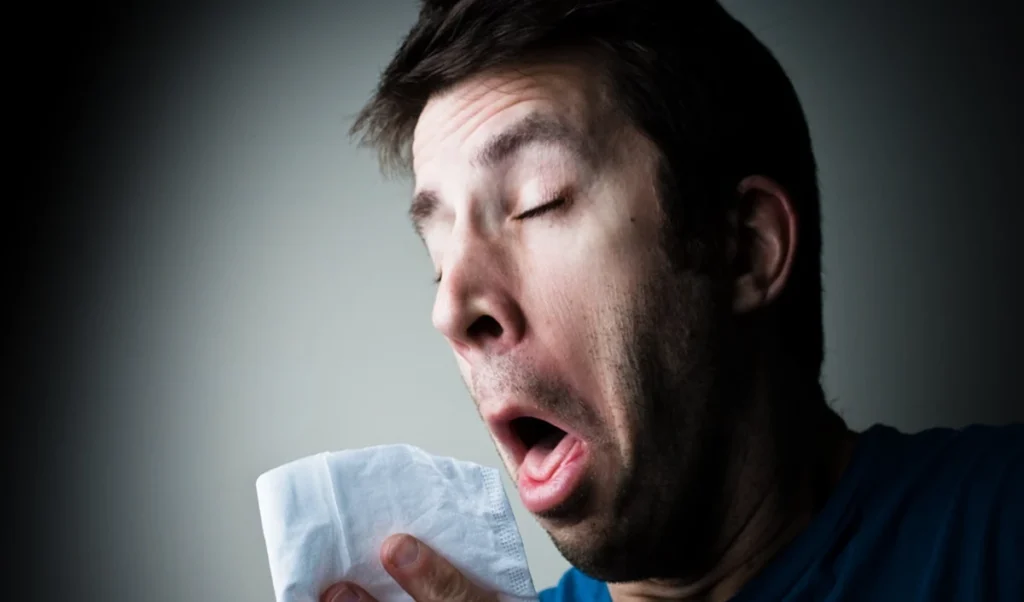
As winter progresses in Delhi and NCR region, the deadly combination of dense smog, air pollution and cold air creates a serious health crisis. Due to increasing pollution levels and falling temperatures, the problems of patients suffering from asthma, respiratory problems, COPD and bronchitis increase significantly. Whereas microscopic particles like PM2.5 present in the environment cause the problem of permanent inflammation in the respiratory tract. Let us tell you that in this life-threatening environment, our everyday carelessness makes the situation worse and can pose serious health risks.
Therefore, it is very important to understand that breathing polluted air affects not only our lungs but also our blood vessels and heart. However, to reduce these serious health problems, it is important to immediately correct some common and dangerous carelessness. These small improvements can bring big and positive changes to your health.
Exercising outside in high AQI
Taking a morning walk outside or doing exercise in an environment with high AQI is the biggest carelessness. During exercise we breathe fast and deeply. Due to which the amount of PM2.5 particles reaching the lungs increases manifold. Then these particles mix with the blood and cause swelling and also put pressure on the heart.
smoking or burning something inside the house
Smoking indoors or burning incense sticks/mosquito coils increases indoor pollution. The smoke of these things does not come out easily in a closed room. Due to which the level of PM2.5 particles increases rapidly and causes irritation in the respiratory tract.
not wearing a mask
When the AQI is in the ‘very poor’ or ‘severe’ category, not wearing an N99 or N95 mask can prove dangerous. This mask is the only effective method that prevents microscopic PM2.5 particles from reaching the lungs. Going out of the house without wearing a mask directly harms the heart and lungs.
lack of hydration
Due to less thirst in winter, people drink less water. Due to which dehydration occurs in the body. Due to this the mucous membrane of the respiratory tract dries up. Dry membranes are less effective at filtering pollutants and viruses. Due to which the risk of respiratory problems and infection increases.