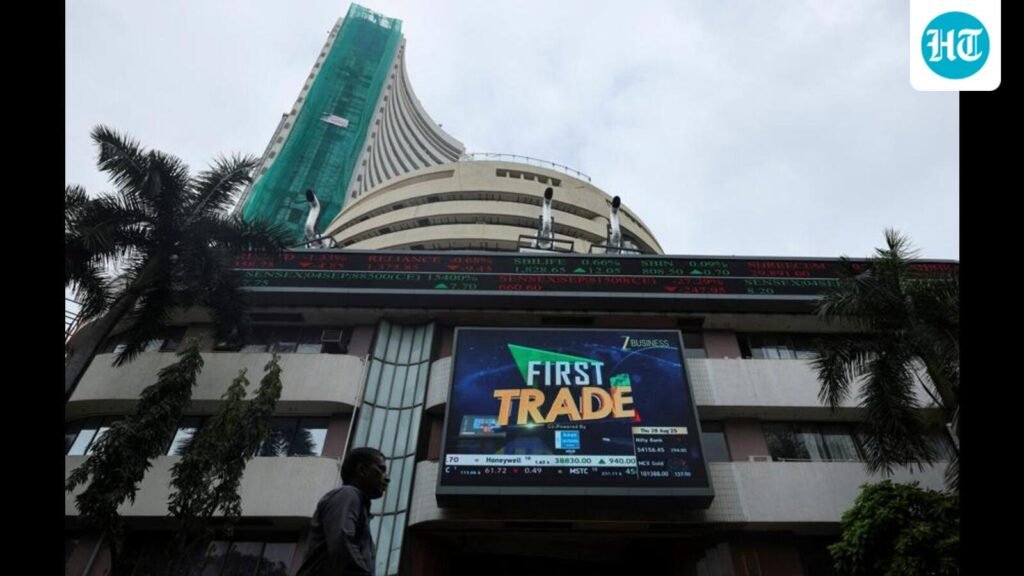
Initial Public Offerings (IPOs) often unfold with the drama and anticipation of a cricket match. Each listing day feels like a toss with lights flashing, anchors predicting outcomes, and investors watching anxiously to see whether founders will “win” on debut. In this excitement, founders are judged like cricketers — celebrated when shares soar, criticized when they don’t.

But IPOs are not matches won or lost in a day. Having worked with many founders through their IPO journeys, I have seen the hard work behind the scenes: Endless documentation, restructuring, regulatory filings, board strengthening, and investor preparation. The bell-ringing ceremony is a proud moment, but behind it lie months of diligence and years of determination.
India today has become one of the hottest IPO venues globally. This reflects a maturing regulatory framework, the credibility of the Securities and Exchange Board of India (SEBI), and transparent listing mechanisms that inspire confidence among global investors.
It also mirrors the rise of India’s burgeoning middle class and the surge in domestic retail investor participation. At the heart of this IPO boom is a new generation of nation builders, from fintech to consumer to e-commerce, choosing India as the stage for their public debut. This reverses the trend just a few years ago when overseas listings were seen as the ultimate badge of recognition.
Today, many companies take pride in listing in their home market, tapping domestic investors who understand and use their services daily. Global investors have taken note too. In 2025, India accounted for nearly 40% of all IPOs in the Asia-Pacific region by volume. International funds are raising their allocations to Indian equity, attracted not just by strong growth but by the depth of participation and trust built into the system.
Still, vibrant markets come with noise. There are debates around valuations, subscription levels, and listing-day performance. Price discovery is a complex, well-laid process involving promoters, investors, bankers, and regulators with each operating within a defined framework. Promoters and investors have influence but not full control, and no one benefits from an unsuccessful IPO. Market mechanisms ensure equilibrium emerges through demand and supply, not speculation or sentiment alone. Analysts, anchors, journalists, and commentators play an essential role in decoding these nuances. They analyze, question, and inform and build a culture of greater transparency and financial literacy. Some will get it right, others won’t. Similarly, some IPOs will meet expected valuations, others may not. The critical thing is not to get lost in short-term judgment but to appreciate the larger benefit. India now has a deep and dynamic equity market ecosystem. The market will always calibrate; people will learn and correct; Ultimately, valuation is what the collective market decides.
The large number of public listings by startups and new-age IPOs signify more than access to capital. This marks a mindset shift toward higher governance, disclosure, and accountability. That, in turn, lifts standards across the startup ecosystem. These new-age founders are not inheritors of legacy wealth but builders of first-generation enterprises. They will make mistakes, learn, and evolve, just as great institutions do.
So, let’s stop viewing IPOs as cricket matches where we cheer or jeer based on short-term scores. Let’s acknowledge the long game: The deepening of India’s capital markets and the rise of India’s startup ecosystem.
Shweta Rajpal Kohli is president & CEO, Startup Policy Forum. The views expressed are personal