Since Diwali, Delhi’s AQI has once again reached the “very poor” category, leading to a sharp rise in respiratory diseases in the city. So far the air quality index (PM2.5 and PM10) has been reached. Poor air quality affects the lungs and increases asthma, bronchitis, allergic rhinitis and throat infections. This pollution can be harmful for people with lung disease. Let us tell you how to take care of your health.
When to see a doctor
– Persistent cough or wheezing for more than a few days.
– Chest tightness, shortness of breath, or difficulty breathing even while resting.
– Burning or sore throat, runny nose, or burning eyes that do not go away.
– Patients already suffering from lung disease like asthma or COPD should consult a doctor if necessary.
how to protect yourself
– Stay indoors when there is more pollution outside (early morning or late evening).
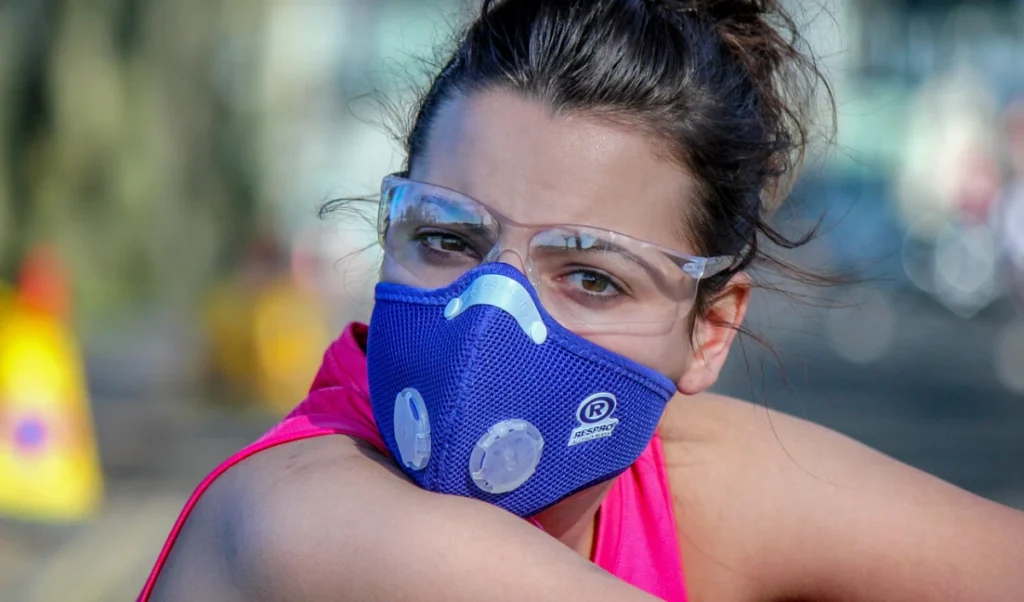
– Wear a mask while going out.
– Use air purifiers at home and keep windows and doors closed.
– Avoid outdoor exercise such as cycling or jogging; Choose indoor workouts instead.
– Drink adequate amount of water, water helps in flushing out toxins.
– To promote lung health, consume antioxidant rich foods like turmeric and basil and include citrus fruits in your diet.
Who is most at risk?
– Children and elderly: Due to weak immune system, they are more prone to spread of infection.
– Asthma and COPD patients: Polluted air can aggravate symptoms or make them worse.
– Pregnant women: Chronic exposure to polluted air can affect mental health and fetal development.
– People suffering from heart disease or diabetes: Poor air quality can increase heart and metabolic problems.
Do these home remedies at home
– Take steam: Taking steam helps clear the nasal passages and reduces throat irritation.
– Gargling with warm salt water: Soothes sore throat and helps eliminate germs.
– Honey with ginger or basil tea: Acts as a natural expectorant to relieve blocked nose and cough.
– Keep your home clean: Use air purifiers and clean dust regularly to reduce indoor pollution.