India’s election cycles seem to dim the nation’s intellectual capabilities. At a time of deepening conflict among several countries, what are our leaders doing? Instead of binding the nation together in such dangerous times, they are sowing the seeds of discord.

Look at the Brihanmumbai Municipal Corporation (BMC) elections. The Thackeray cousins, who couldn’t see eye to eye for many years now, came together. Raj Thackeray’s speeches betrayed Shiv Sena’s six-decade-old anti-Tamil rhetoric, with vocabulary borrowed from Sena founder Balasaheb Thackeray. This gives rise to a question: If non-Marathi people contribute to Mumbai’s success, then why should they be denied the same rights to its resources as to the Marathis?
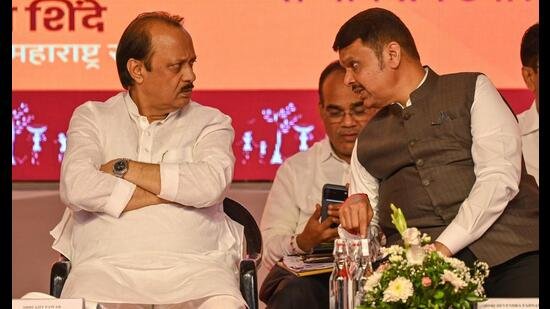
I am also reminded of the Pawar family while talking of stemming the disintegration tide. You may recall how Sharad Pawar’s nephew Ajit Pawar carried out a coup against his uncle, within his party. It is clear that the elections to local bodies achieved a reunion, even if temporary, something that the general and assembly elections had failed to achieve.
How did this miracle come about? The answer is not too difficult. The BMC’s annual budget amounts to ₹75,000 crores. This is the country’s richest municipal corporation, and its earnings and expenditure are higher than the budget of nine Indian states. Balasaheb Thackeray had captured the BMC and steered the Shiv Sena to the peak of its power and glory. Control of Mumbai, the administrative capital Maharashtra and financial capital of India, decides the political direction of the state. To control the city, the political families don’t shy away from first triggering coups, then closing ranks, and likely becoming rivals again. Even their whips can disintegrate.
In the recently-concluded BMC elections the BJP, the Shiv Sena (Shinde) and Ajit Pawar’s Nationalist Congress Party (NCP) that share power in the state fought against each other in many seats. That isn’t all; in Ambarnath municipal corporation, the BJP and the Congress joined hands to secure the chairman’s post, creating ripples in Delhi.
What was the net result of these strange alliances? The BJP steered ahead while the Thackeray and Pawar families were left empty-handed. The time for opportunistic alliances is over. The BJP’s expanding footprint indicates this. The elections once again proved that the Congress is becoming a liability for its allies. The upcoming assembly elections in West Bengal, Kerala, Tamil Nadu, Puducherry and Assam are fanning the next round of polarized politicking.
What the Mamata Banerjee administration did during an Enforcement Directorate (ED) raid in Kolkata was unprecedented. During the raid on election management firm I-PAC, her party workers reached its office and took away files, documents and pen drives. The Trinamool Congress (TMC) alleged that the ED wasn’t conducting a raid to unearth financial fraud but was trying to get hold of TMC’s election-related documents.
The Supreme Court gave Banerjee a thorough dressing down for her behaviour. The FIRs lodged against the ED officials under serious charges by the Bengal government have also been stayed. Such reports had been lodged in Jharkhand and Tamil Nadu too. But the court later rejected them. Tamil Nadu CM MK Stalin wrote a letter to the PM Narendra Modi on January 11, demanding that the latter talk to the Sri Lankan President to secure the rights of the Lankan Tamils in that country’s proposed constitutional reforms. During Lankan PM Harini Amarsurya’s visit to India last year, Stalin had demanded that Modi should take the Katchatheevu island back from Sri Lanka. Claims over the island and discrimination against Tamil minorities in Sri Lanka are old issues. But politics has turned into an endless game of presenting old toxic substances in new forms. Stalin’s cousin and DMK MP Dayanidhi Maran did his bit by saying in a speech that while Tamil Nadu had the confidence to let its girls study and build careers, “North India tells its girls to not go to work, stay at home, tend to the kitchen and raise children”. Elsewhere, former Jammu and Kashmir CM Farooq Abdullah insists on taking Pakistan on board while dealing with the issue of Kashmir. The language Assam’s CM Himanta Biswa Sarma is using to win elections is fueling anti-India sentiments in Bangladesh, leaving its Hindu minorities vulnerable.
Isn’t it time for our leaders to weigh their words carefully, particularly in the age of social media where a stray statement made in a local context can incite murderous mobs globally? Why do they forget that the security of the country is above the cycles of elections and power?
Shashi Shekhar is editor-in-chief, Hindustan. The views expressed are personal