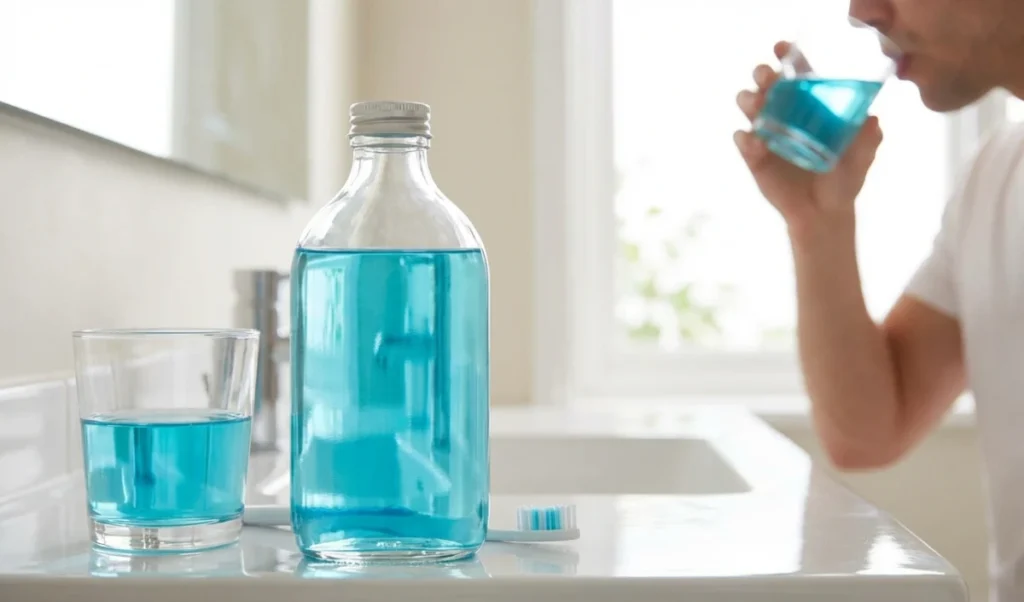
We all brush our teeth every day as soon as we wake up in the morning. We all have learned this habit since childhood. Nowadays people are not satisfied with just brush and toothpaste. Because people use mouthwash to clean their teeth completely and have good smelling breath. Often, advertisements on TV claim that using mouthwash kills 99% of germs and keeps the mouth fresh for hours. In such a situation, many people start using it daily, sometimes even twice a day, without thinking, but is this habit really beneficial for teeth and gums?
Is it safe to use mouthwash daily?
Using mouthwash daily is generally safe, however, its safety depends on the type of mouthwash you use. Not all mouthwashes available in the market are the same. Some mouthwashes are designed solely to maintain mouth freshness and reduce bad breath, while others contain medicinal ingredients or powerful antibacterial properties that have a deeper impact. Using such mouthwash daily without proper knowledge or need is not always considered beneficial.
Daily use of strong antibacterial mouthwash reduces the harmful bacteria present in the mouth, but some good bacteria can also be destroyed along with it.
Let us tell you that these good bacteria play a main role in the production of nitric oxide in the body.
Nitric oxide plays an important role in keeping blood pressure balanced. When there is a disturbance in its levels, its effects are not limited to the mouth only, but can also affect the overall health of the body.
How to choose the right mouthwash?
If you use mouthwash daily, fluoride-based and alcohol-free mouthwashes are considered the safest options. These help in controlling plaque on teeth, strengthen tooth enamel and are effective in preventing cavities. For this reason, dentists recommend using mouthwash along with brush and floss, not as a substitute for them.
Avoid alcohol based mouthwash
Alcohol based mouthwash provides instant freshness. However, if used daily for a long time, they can cause dryness, irritation and increased sensitivity in the mouth. This can upset the natural balance of the mouth and also affect the production of saliva.