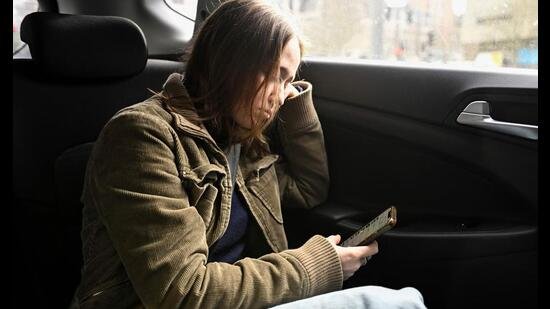
Four states are talking about it and on the sidelines of the AI Impact Summit, IT minister Ashwini Vaishnaw conceded that the government is mulling “age-related restrictions on social media”. Ever since Australia implemented one in December for under-16s, talk of a social media ban has gathered pace. At least 12 countries are in stages ranging between discussion to drafting bills.
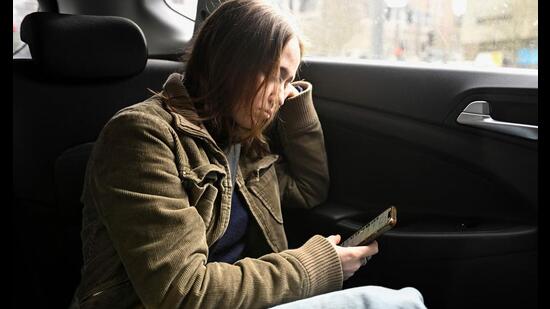
Once social media was thought to be a warm and fuzzy community square where you could connect with long-lost school friends. Those innocent notions were effectively dispelled with the demonstration of Grok’s digital stripping spree.
But well before Grok, we already had a mountain of research linking social media to mental health. New studies are launched almost weekly. This week, Sapien Labs found young adults all over the world face worse mental health and life challenges partly due to early smartphone use.
Social psychologist and author of the best-selling book, The Anxious GenerationJonathan Haidt has been warning of social media’s harm on young people with evangelical zeal. In an upcoming essay for the 2026 World Happiness Report, he writes that it is “harming young people at a scale large enough to cause changes at the population level”.
Laura Bates, another best-selling author and founder of the Everyday Sexism Project, warns of AI-driven technology with “misogyny baked into their design”, including deep fake pornography and other forms of online sexual abuse. “We are sleepwalking into a new age of gender inequality,” she writes.
If academic studies aren’t enough, The Guardian earlier this week published an anonymous article written by a 15-year-old girl on navigating her Instagram feed. “I actively try to avoid online misogyny,” she writes. But it only takes minutes before she encounters comments about girls’ bodies and degrading jokes on domestic violence and rape.
Finally, points out Haidt, there is Meta’s own internal research that documents how its products harm young people through, for instance, cyberbullying, unwanted sexual contact and body-image issues.
Social media’s harms cut across ages. We are less connected, less able to focus, and our brains are turning into mush. But young people are far more susceptible to peer pressure, to be vulnerable to abuse by strangers, to be more open to addiction. This week, a California court heard from the therapist of a woman who is suing Meta and Alphabet for her childhood addiction that she says damaged her mental health.
Nobody likes bans and everybody understands their limitations as piecemeal and reactive. Yes, young people will find ways to circumvent it. Yes, there are questions about how age verification would work. And, yes, what happens when the ban is lifted and 17-year-olds are unleashed on the murky world of social media?
Certainly, a ban that comes without sexuality education, without teaching kids consent and respect for each other seems like a cop-out.
Nor does a ban address the very real problem of influencers, parents and teachers, using kids to create content. If it is to work, then parents need to know that they must switch off first.
And yet, I’m all for a ban for just one reason. It would make the unbelievably hard task of modern parenting just a bit easier. Instead of answering a whiny complaint — “but all my friends have it” — it might be so much easier to say, “Sorry, it’s against the law.”
To battle the harms of social media, parents, school and government need to join hands. It really does take a village.
Namita Bhandare writes on gender. The views expressed are personal